Minimum Viable Digital Tower Stack for Non-Towered Airports Absorbing Commercial Drone Traffic
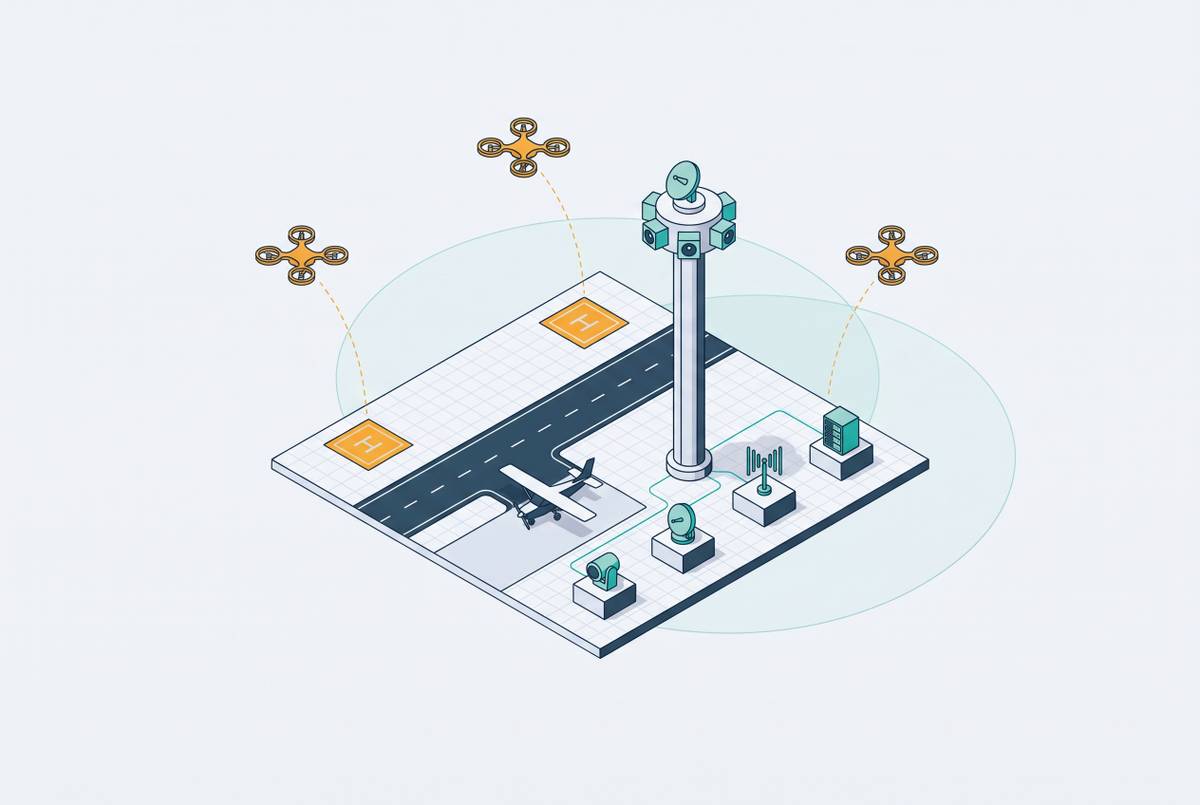
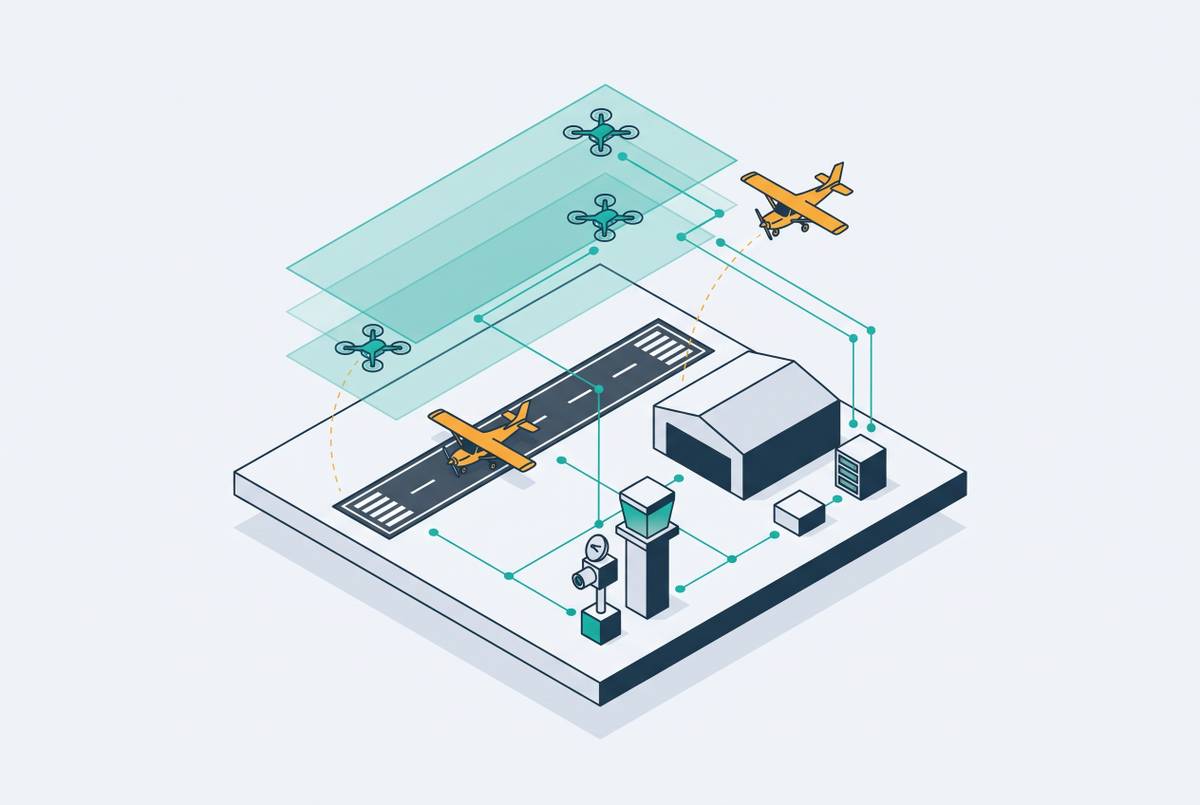
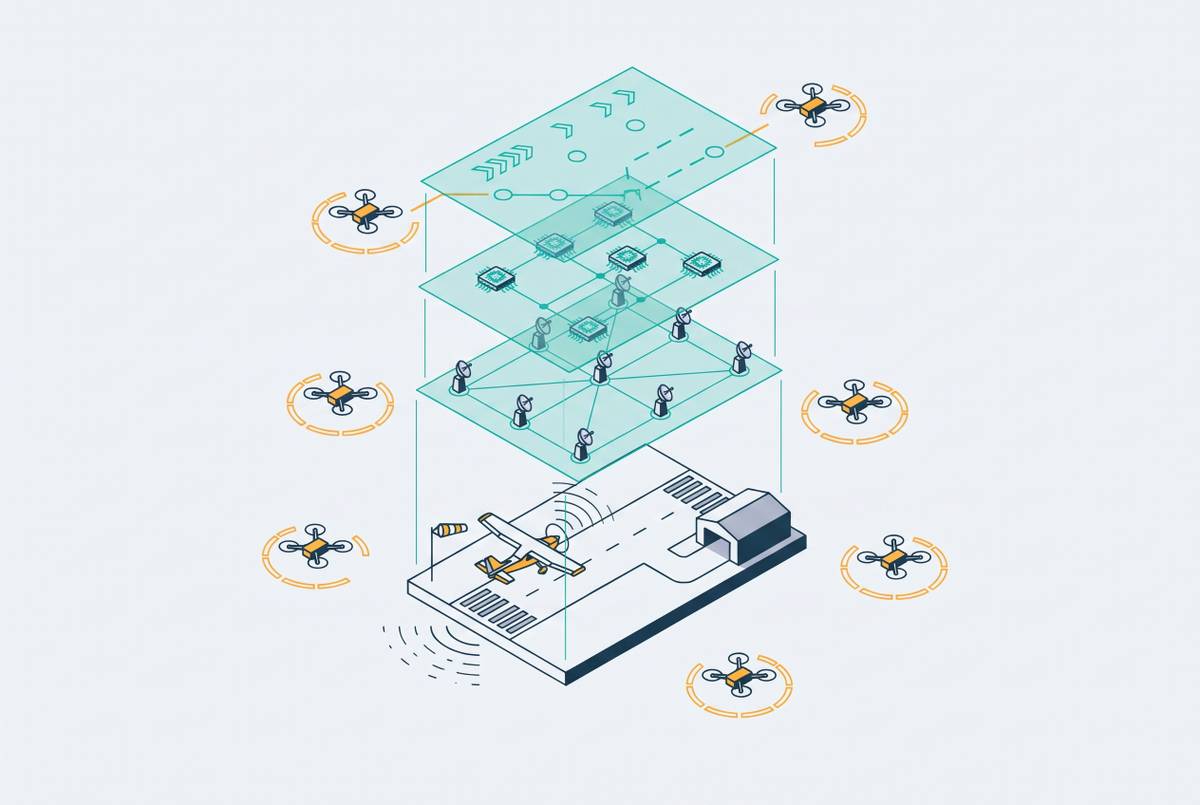
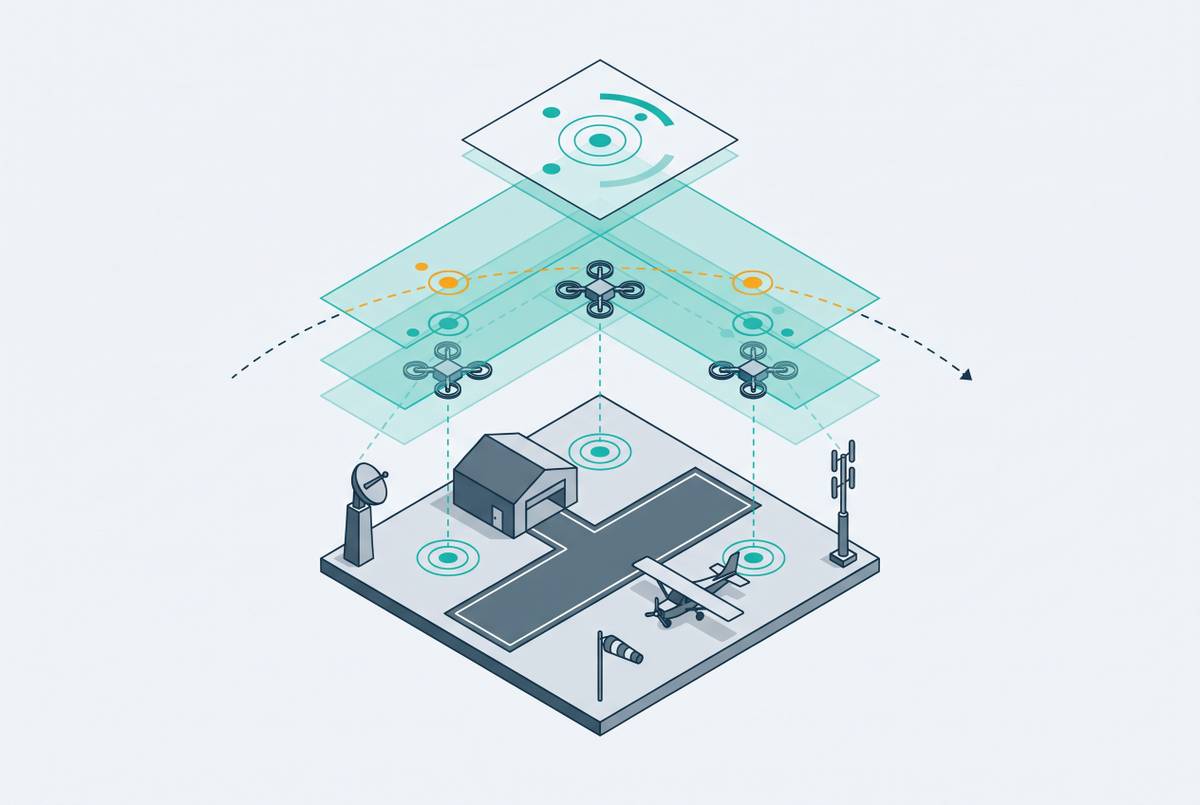
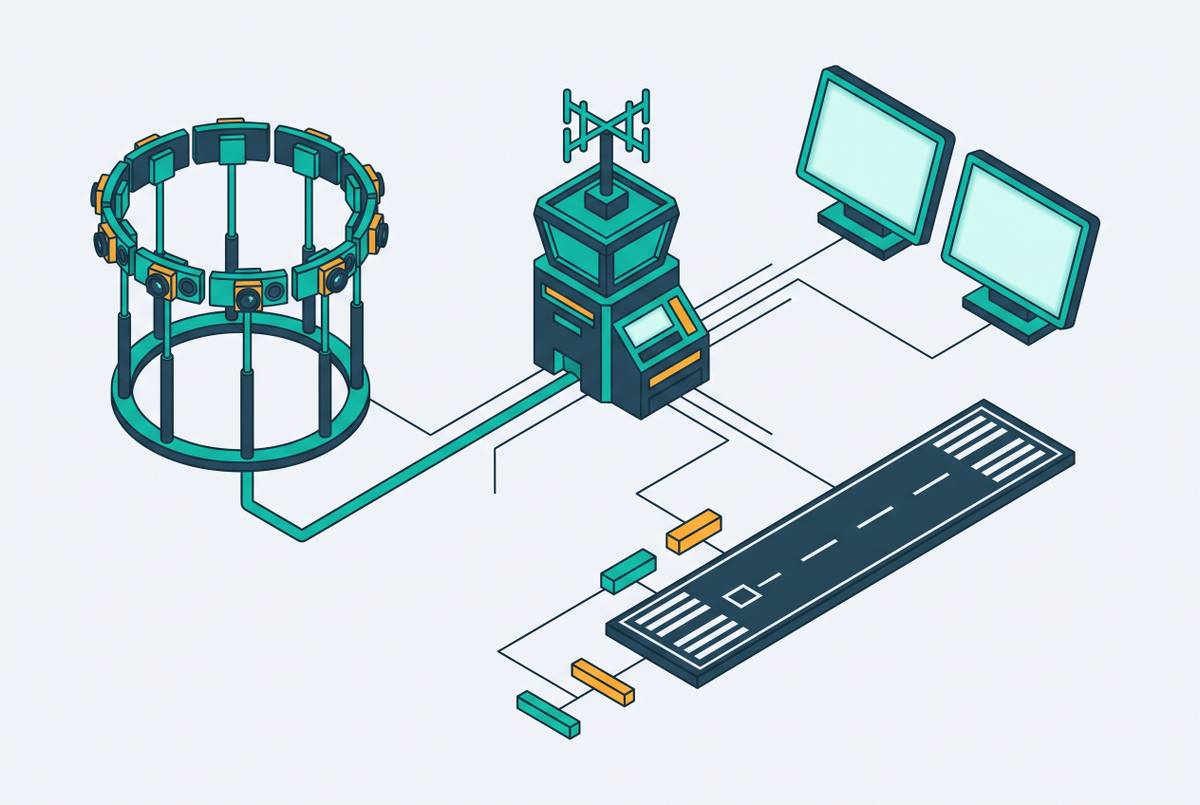
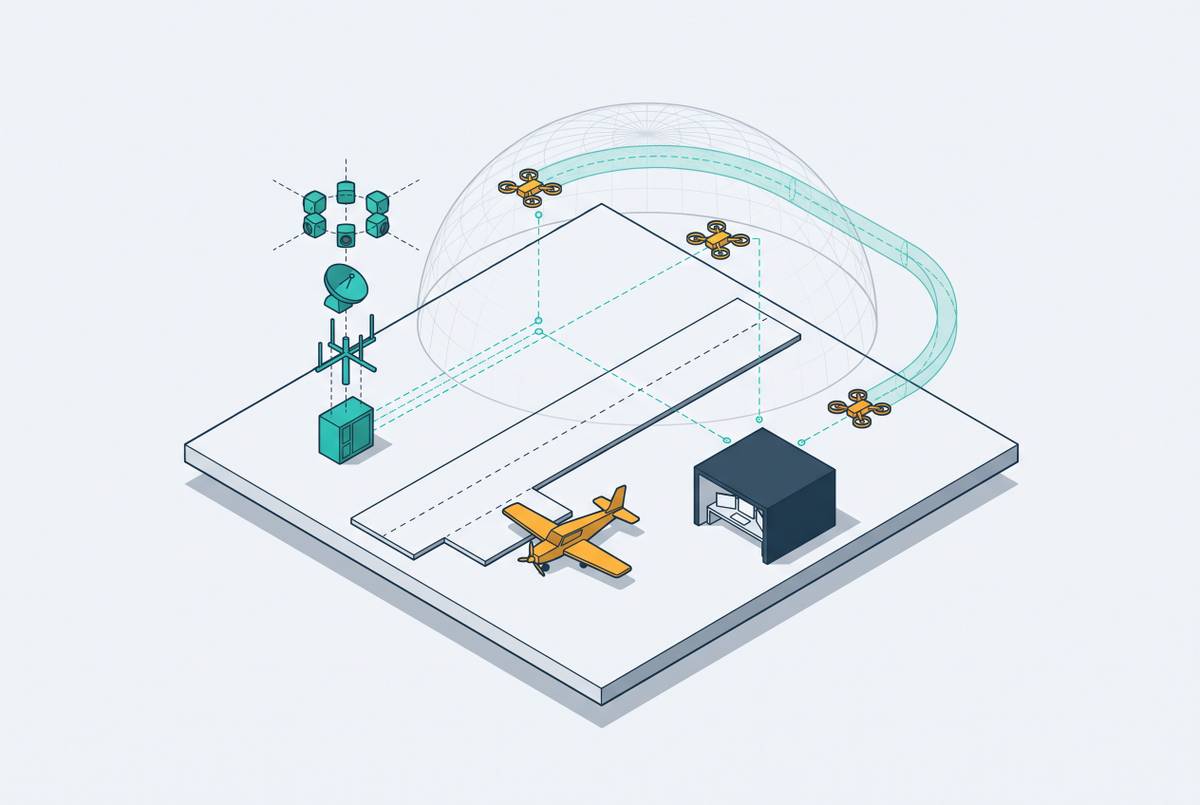
Five connected layers can give small airports a shared view of drones.
Priya Subramaniam
Section
14 stories in Remote Tower Architecture.
Five connected layers can give small airports a shared view of drones.
A buyer's guide to vetting digital towers for drone-ready airports.
Voluntary radio calls can't coordinate drones, so rural fields need shared data.
Digital towers move from optional to essential as drones overwhelm voluntary radio protocols.
A tiered detection plan can finally warn pilots about drones.
Three software layers enable drones and manned aircraft to safely share uncontrolled airports.
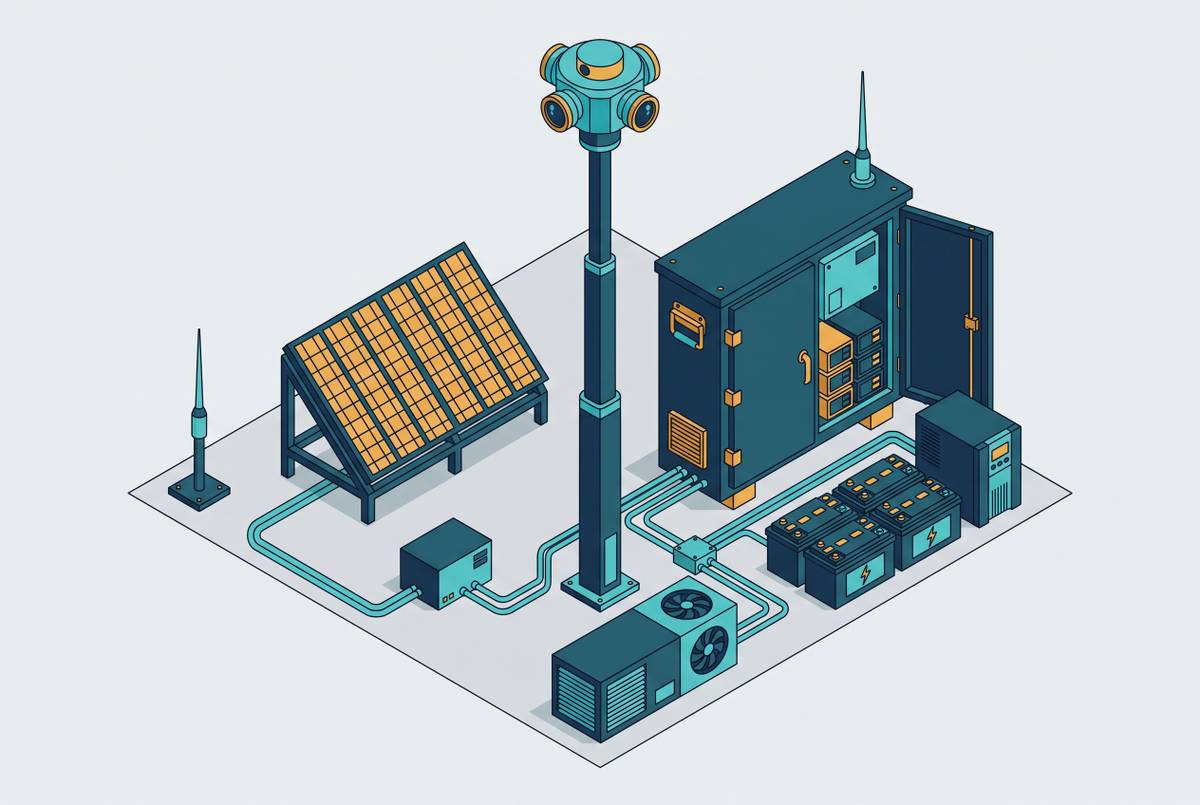
Unattended airport masts need layered power and weather protection to actually work.
Digital towers need workstations built for safety, not convenience.
Merging radar, cameras, and ADS-B into one trusted picture.
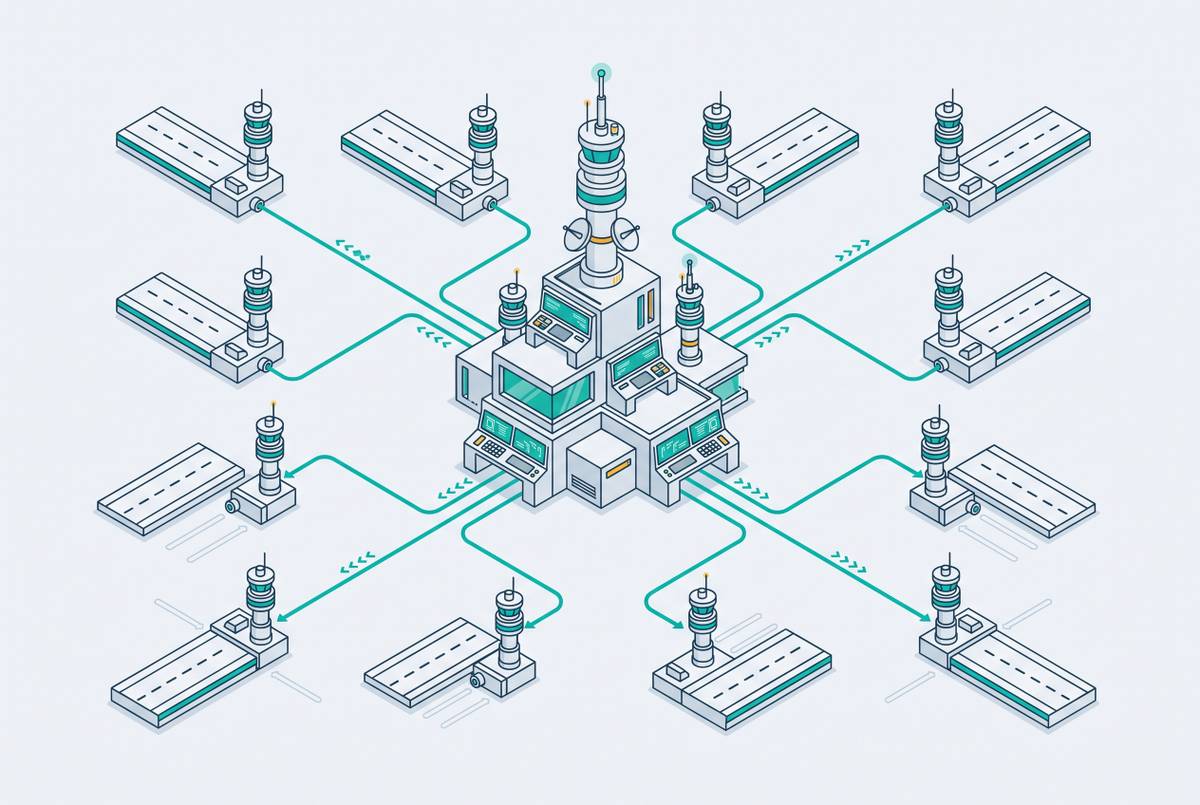
One hub's controllers manage multiple small airports that can't afford towers alone.
Remote towers can bring affordable air traffic control to thousands of small airports.
Remote towers have no window, so the data link is everything.
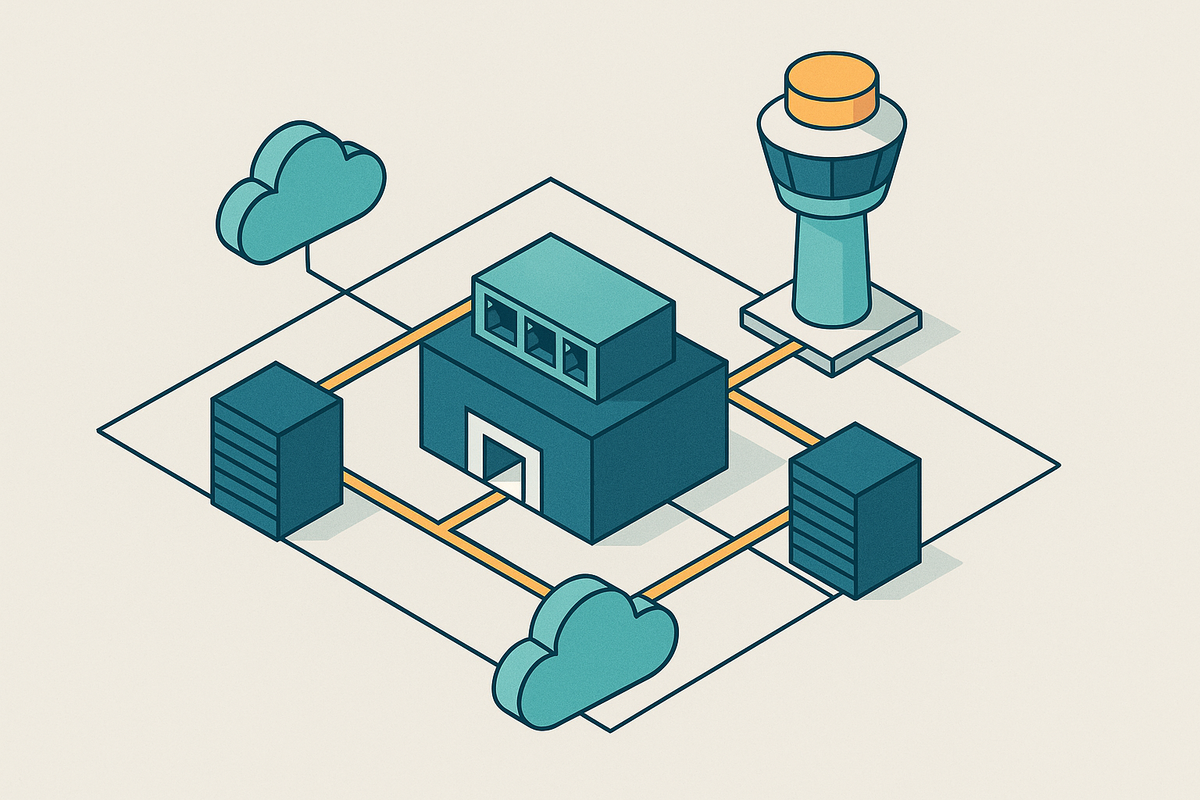
Edge computing keeps remote tower systems safe by processing data locally instead of the cloud.
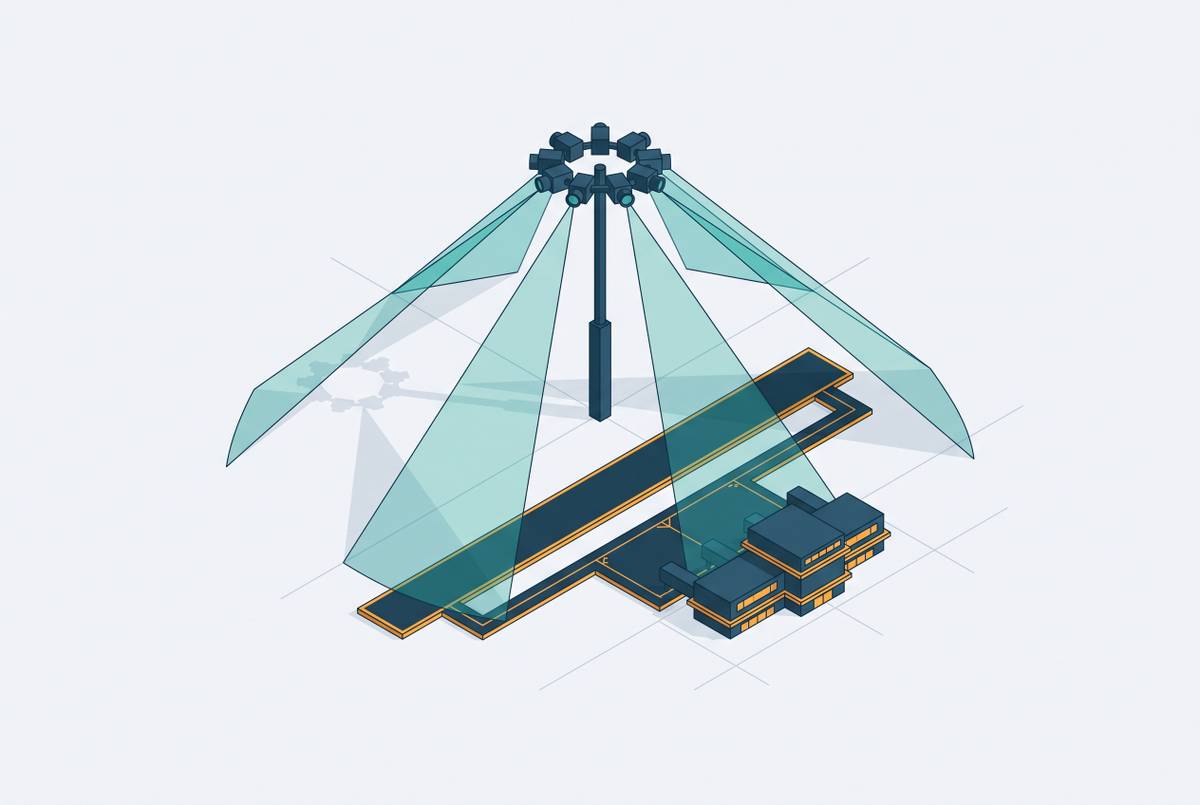
Camera coverage at small airports must eliminate blind spots where aircraft could collide unseen.